Formation

Objectives and challenges of fire safety training in public-access buildings

Fire safety training courses share one goal: to ensure the safety of people, the protection of property and the regulatory compliance of buildings, in particular public-access buildings. They are built around three complementary strands: operating the system, understanding the regulations and mastering the fire safety system technically.
securite cas incendie

Operation training

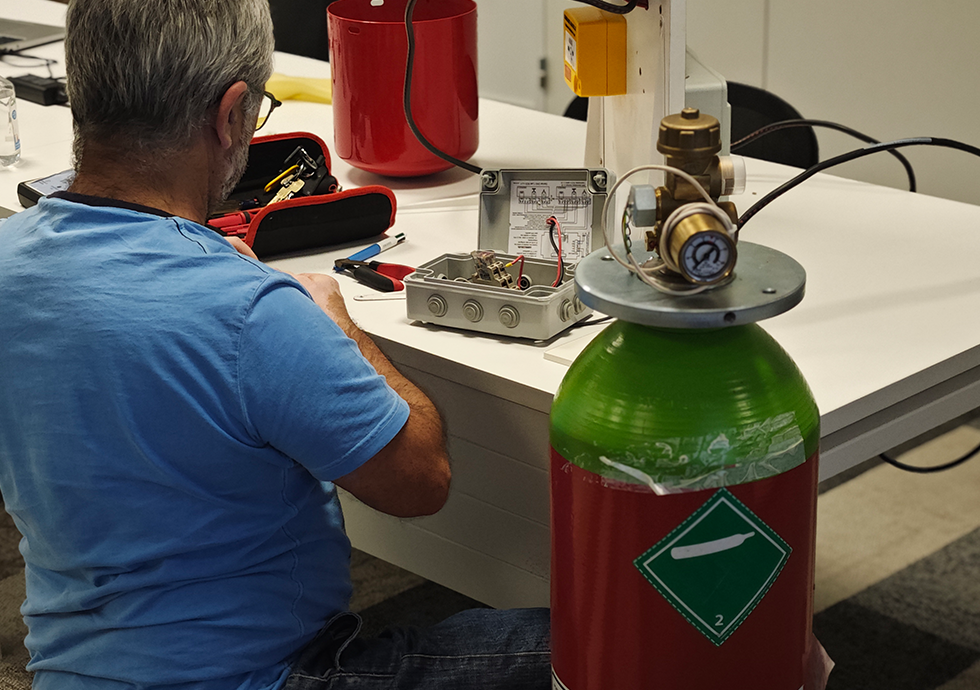
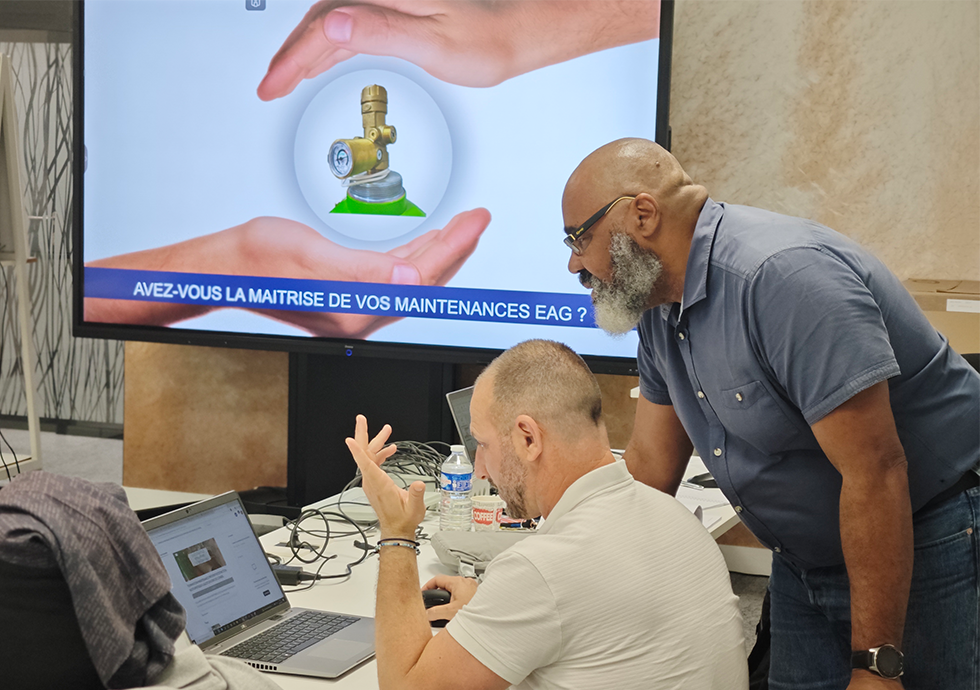
Operation courses are aimed at operators and site managers, so they can run fire detection and suppression systems independently and safely. They provide the essential knowledge to operate a fire safety system (any brand), a supervision system and an automatic suppression system — several types exist at operator level: gas, foam and water mist. We also offer a module dedicated to water mist.

Our operation courses

  • Fire safety system operation, level II

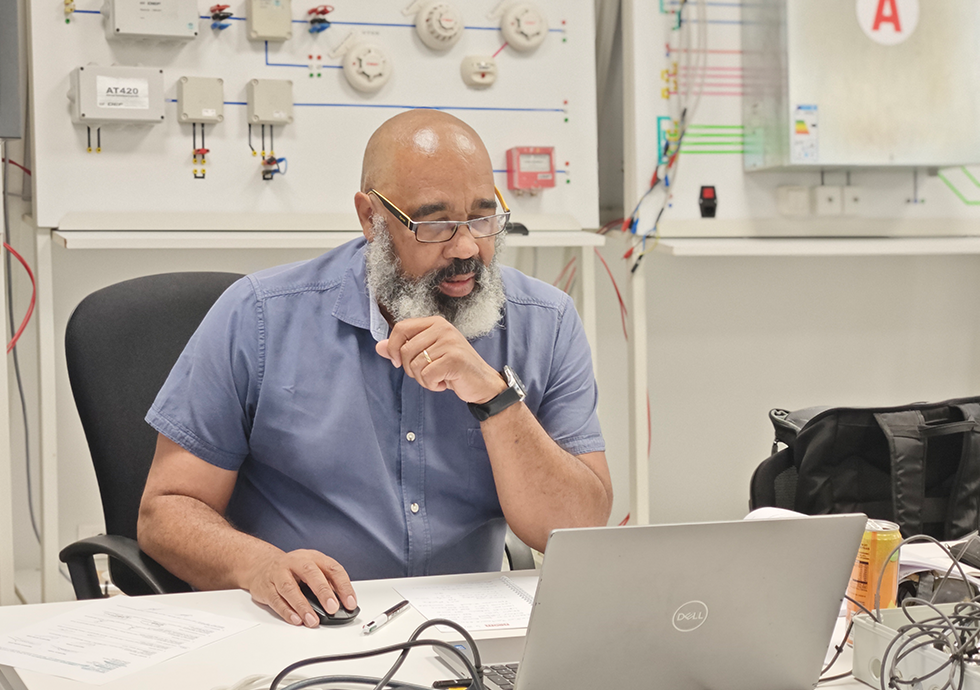
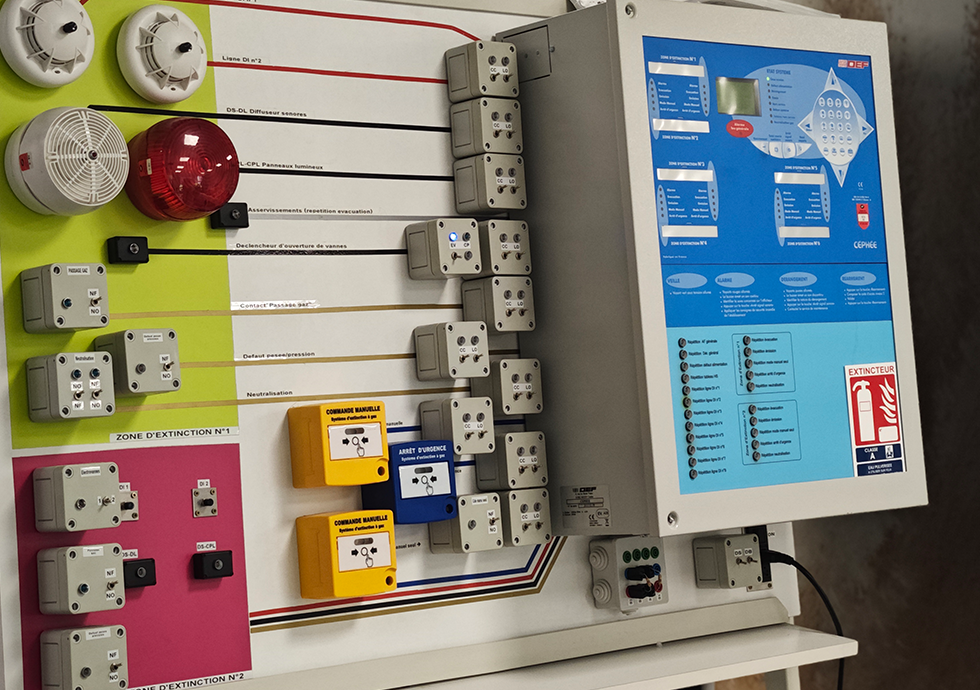
    A blended fire safety system course covering alarm management, locating and analysing events, coordinating action during a fire, operating the control panel independently and carrying out routine checks. Extensive practice builds fast, sound reflexes for responding effectively in an emergency and keeping people and the site safe.

  • Automatic suppression system operation course

    The automatic suppression system operation course builds command of gas, foam and water mist systems. It covers alarm management, event analysis, coordination of action, operation of the installations and periodic checks.

  • VisioDEF supervisor training

    The VisioDEF / VisioDEF 3D supervisor course builds command of the fire supervision system: reading and managing alarms, navigating the interface, acknowledging, resetting and putting the building into a safe state. Participants learn to make use of event logs, coordinate action and respond effectively to keep the site and its occupants safe.

formation reglementaire

Regulatory training

The Regulation courses are designed to give a firm command of the statutory and normative requirements that apply to fire safety systems. They help professionals understand how installations are designed, laid out and commissioned in line with current legislation, particularly in public-access buildings.

These courses provide an essential foundation for designing consistent, compliant systems, for effective dialogue between operators, installers and design offices, and for making sure detection and safety management systems fully play their part in protecting people and property.

Our regulatory courses

  • Safety management principles in public-access buildings

    This course gives an overall view of the fire regulations that apply to buildings and public-access premises: how establishments are classified, the types of fire safety system, detection and safety management. It covers the architecture of a fire safety system, detection zones and safety scenarios. A dedicated module covers type O, J, U and R public-access buildings and their regulatory constraints.

  • Installation rules for a fire detection system

    This course covers the design and installation of a fire detection system: selecting and sizing detectors, defining detection zones, positioning and wiring the equipment. It also covers technical commissioning of the detection system, defining reference fire scenarios and compiling the fire safety system record to ensure regulatory compliance.

  • Installation rules for a fire safety management system

    This course covers the design and installation of fire safety management devices: sizing the zones, positioning and wiring smoke control, compartmentation and evacuation equipment. It also covers technical commissioning of the safety management system and compiling the fire safety system record to ensure compliance and traceability.

  • Fire regulations and accessibility for disabled people

    This course provides general grounding in fire safety and building accessibility. It covers fire fundamentals, the regulations, building classification, design principles, fire safety systems and accessibility obligations. Through case studies, it sets out what is at stake in prevention, compliance and safety for public-access buildings, workplaces and residential buildings.

formation technique

Technical training

The technical fire safety courses are designed to give technicians command of installing, maintaining and repairing fire safety systems, so that those systems stay compliant, reliable and operational.
They cover both work that does not involve programming and, under specific conditions, work that involves programming the fire control panels reserved for partner installers.

Browse our catalogue

DEF Assistant

DEF Assistant

Let’s talk about your project

The assistant is typing…

Answers generated by artificial intelligence from the DEF website’s content: please check important information with our teams. Do not share personal information.