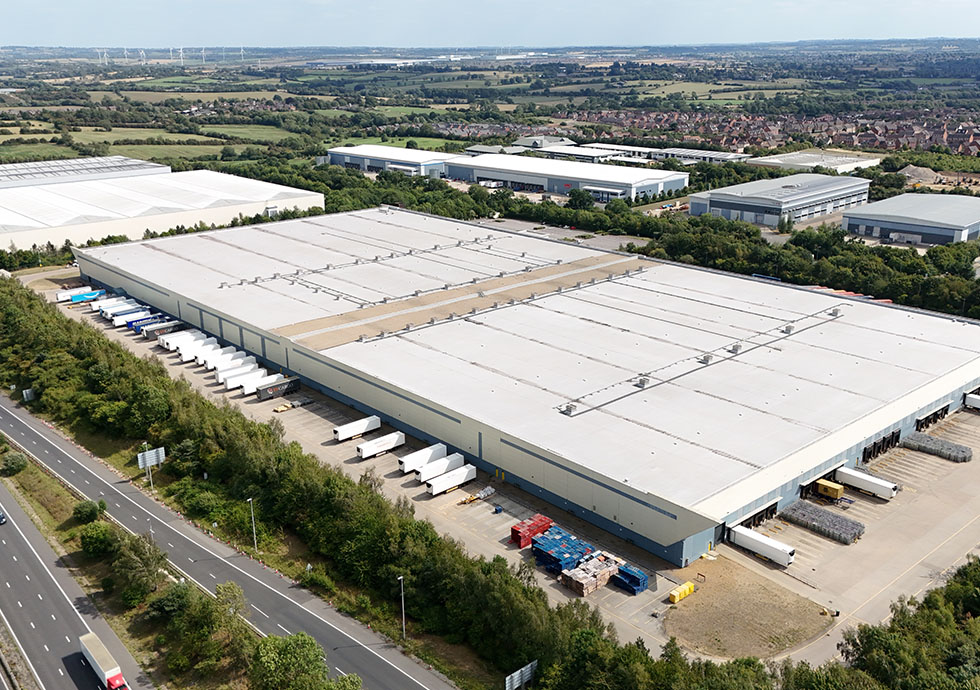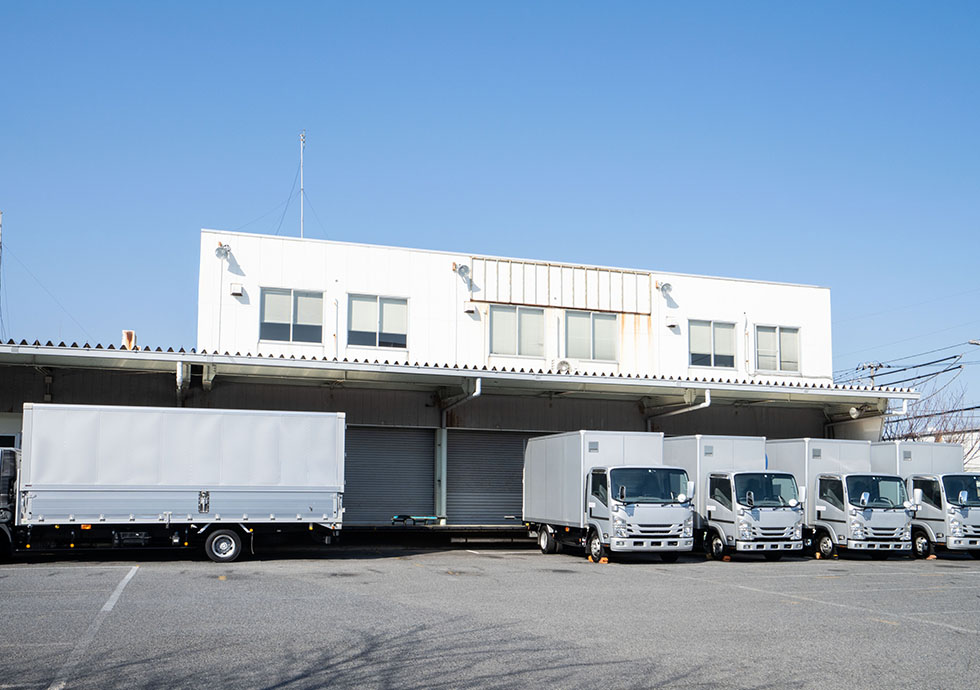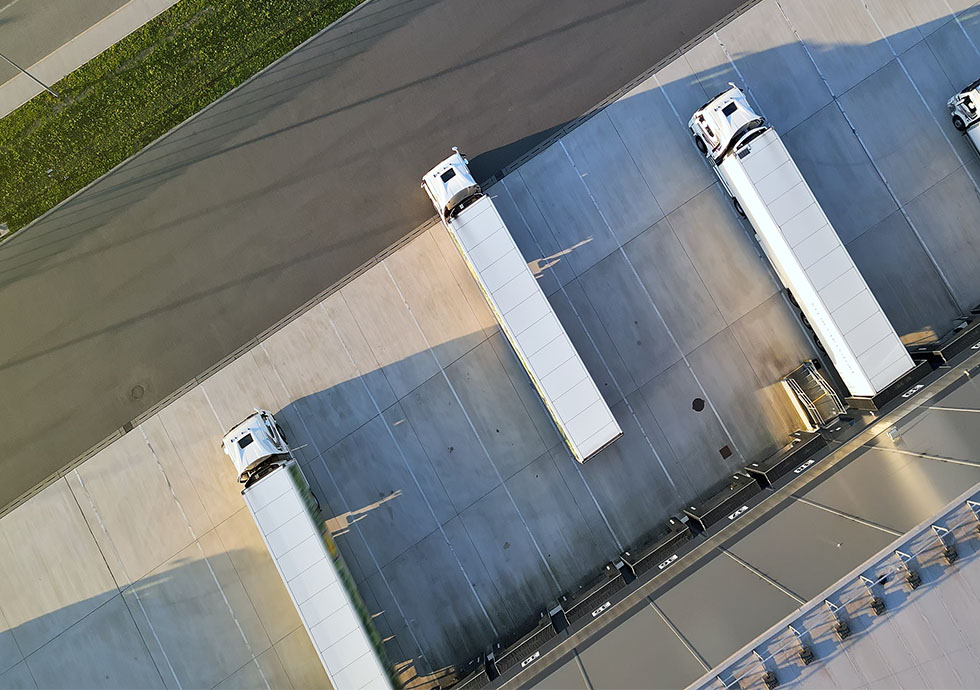
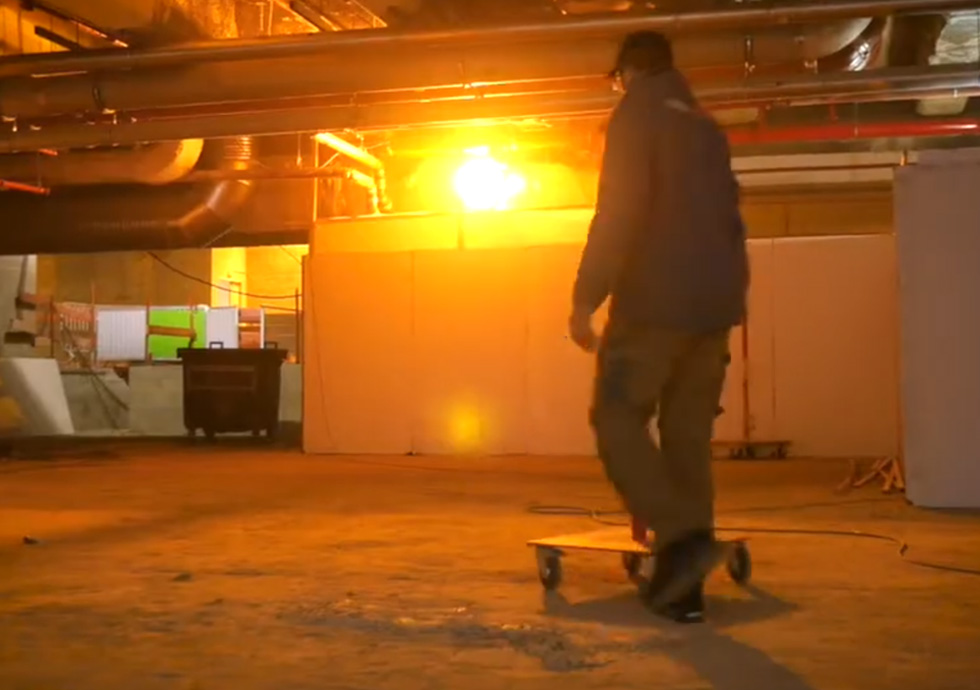
Transportation & logistics

Ensure the smooth flow and continuity of operations

Tunnels, train stations, airports, transit stations, and logistics hubs: every day, transportation infrastructure serves a large number of travellers and operators. In these complex environments, fire safety is a major challenge when it comes to protecting people while ensuring business continuity.

DEF designs, deploys, and maintains high-performance, interconnected fire safety systems tailored to the technical and operational requirements of mobility infrastructure.

Request your audit
protection transport logistique
  • Business continuity
  • Protection of goods
  • Fire risk management
:

Regulatory requirements specific to transport infrastructure

Transport infrastructure serves a large number of users every day and must ensure high safety standards. Their operation is governed by several national and European regulations that require fire detection, alarm, and safety systems tailored to different environments: tunnels, train stations, transit stations, or technical installations.

Need help?
  • TEST12

    Mandatory fire detection

    Safety regulations for public access buildings – Decree of 25 June 1980
    Railway stations, transit stations, and terminals open to the public must be equipped with a fire detection system capable of quickly identifying any fire and activating safety measures.

    Decree of 25 June 1980
  • TEST12

    Smoke exhaust from confined spaces

    Building and Housing Code
    Corridors, underground spaces, and confined areas must be equipped with smoke exhaust systems capable of removing smoke and maintaining safe evacuation conditions.

    Building and Housing Code
  • TEST12

    Tunnel safety

    European Directive 2004/54/EC
    Road and rail tunnels must be equipped with fire detection systems, ventilation systems, and evacuation systems designed to limit the spread of smoke and facilitate emergency response efforts.

    European Directive 2004/54/EC
  • TEST12

    Fire safety systems

    EN 54 Standards
    Security detection, alarm, and public address systems must comply with European standards that ensure the reliability and effectiveness of fire alarm systems.

    EN 54 standards
  • TEST12

    APSAD Technical Standards

    APSAD R7 – R12 – R13 – R17
    These standards define best practices for the design and operation of fire detection, automatic fire suppression, and smoke exhaust systems in high-risk installations.

    APSAD
  • TEST12

    Maintenance and regulatory inspections

    Labour Code and public building regulations
    Fire safety systems must undergo regular inspections and preventive maintenance to ensure they function properly in the event of an incident.

    Labour Code and public building regulations

Major fire hazards in the transportation sector

Transportation infrastructure poses specific risks due to high traffic volumes, the presence of technical equipment, and the complexity of the installations.

Vehicle lights or electrical equipment 

Fires can be caused by vehicles, electrical systems, or technical equipment located in tunnels, depots, or technical areas.

Rapid spread of smoke

In confined spaces such as tunnels or certain underground stations, the spread of smoke poses one of the main dangers to passengers due to reduced visibility and the risk of suffocation.

Electrical failures or short circuits

Power distribution panels, electrical cabinets, or control systems can cause a fire in the event of an overload or technical failure.

Construction and maintenance work

Technical work or maintenance operations can generate hot spots or sparks that could cause a fire.

Request a risk assessment

Aucune image disponible

Aucune image disponible
Aucune image disponible

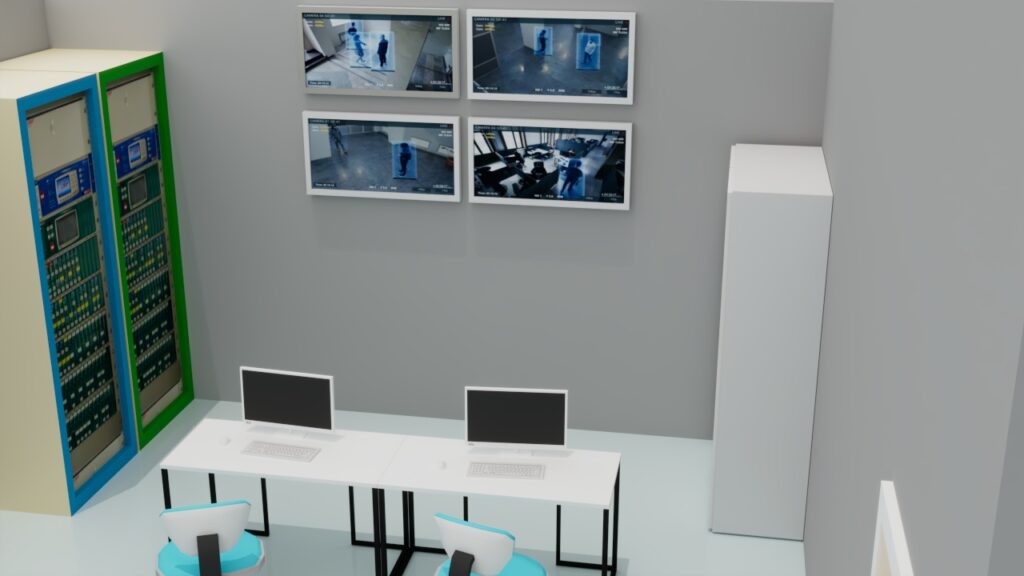
SALLE PC SECURITE

Aucune image disponible

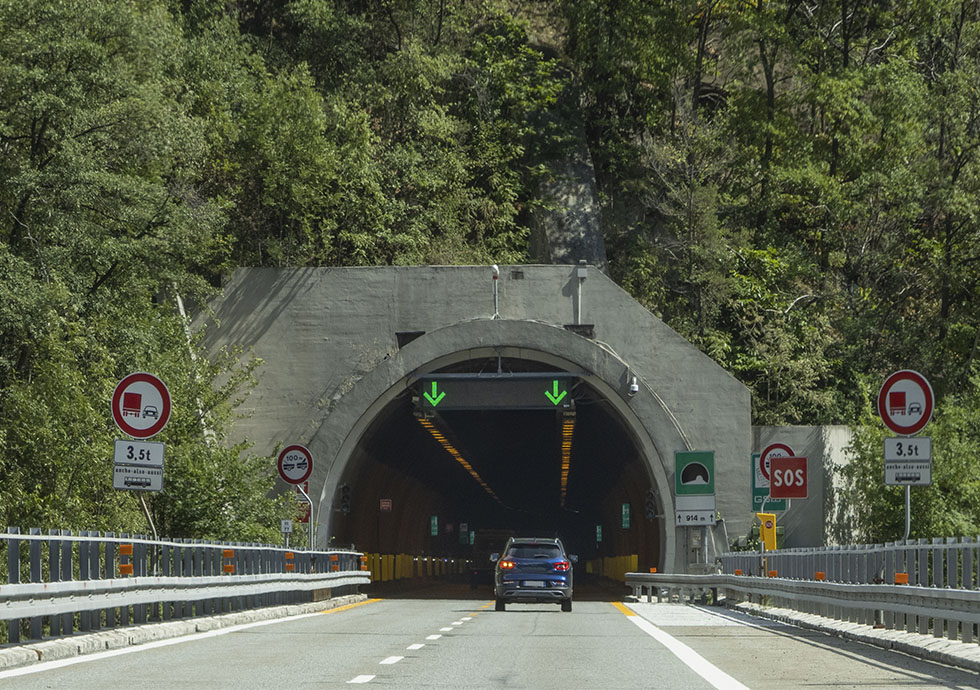
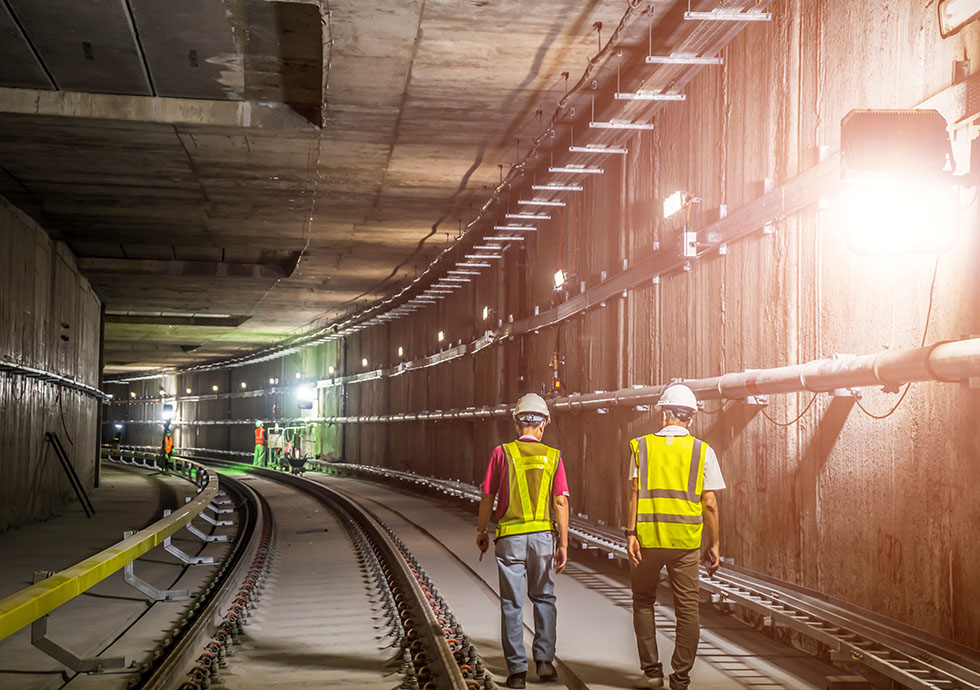
Tunnels and technical galleries

  • Tunnels and technical galleries
  • Train stations and stops
  • Depots and maintenance shops
  • Control rooms and equipment rooms
  • Logistics areas and technical rooms

Key figures

Key fire safety issues in transportation

These data highlight the specific risks associated with confined and crowded environments, where smoke is the primary hazard and can significantly complicate evacuation and emergency response efforts.
  • 70 %
  • Fires in tunnels are caused by vehicle fires. (BARPI, 2023)
  • 3 minutes
  • is the maximum time limit for activating the smoke exhaust system, as required by regulations. (Directive 2004/54/EC) 
  • 2 regulatory inspections
  • per year are imposed on fire safety systems in transportation facilities. (Ministry of the Interior) 
  • 90 %
  • Traffic disruptions are caused by failures that were not detected in time. (INRS, 2023) 

Technologies tailored to transportation infrastructure

DEF solutions address the industry’s key challenges: quickly detecting fires, ensuring the evacuation of occupants, and providing continuous monitoring of installations.

detection incendie tunnel

Fire detection systems suitable for technical environments

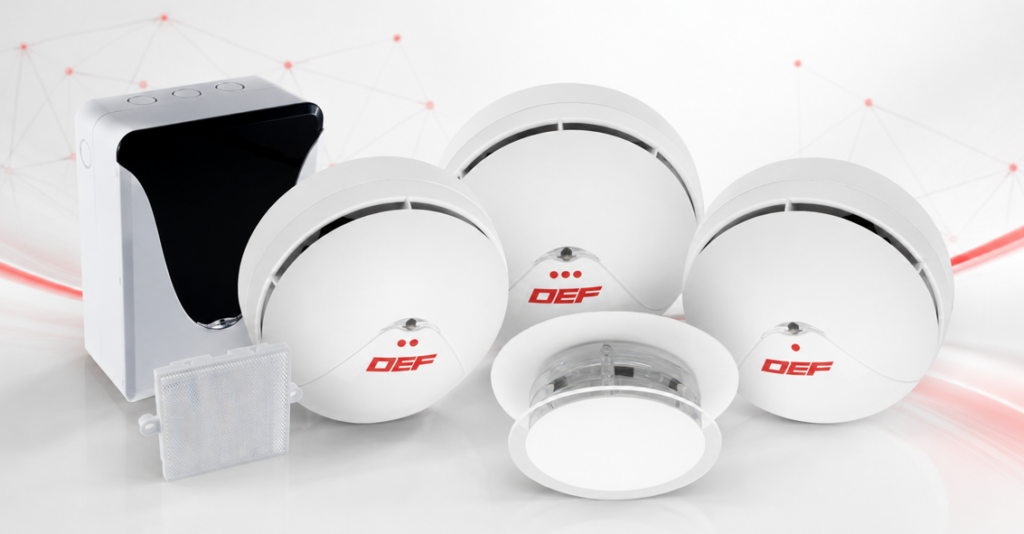
Fire detection systems enable the rapid identification of any fire that breaks out in tunnels, stations, or equipment rooms. They can combine different systems, such as linear heat detection, aspirating smoke detection, or multi-criteria sensors, to ensure effective monitoring of complex environments.

tunnels detection incendie

Mechanical smoke exhaust and air management

Smoke exhaust systems help maintain safe evacuation conditions by removing smoke and limiting its spread. In tunnels and underground infrastructure, these systems help maintain visibility and facilitate emergency response efforts.

Localised automatic fire suppression

Automatic gas or water mist fire suppression systems help protect critical areas such as control rooms, equipment rooms, and certain maintenance workshops.

diffuser message adaptes evacuation

Safety public address system and voice alarm

Safety public address systems are used to broadcast clear and appropriate alert messages to guide people during an evacuation and prevent panic in crowded areas.

supervision entrepot logistique

Fire monitoring and centralised management

Monitoring platforms such as Fire360 makes it possible to centralise fire safety system data and control the systems in real time.
They facilitate alarm management, equipment monitoring, and the coordination of response efforts at one or more sites.

In addition, Mon SSI Facile offers a simplified interface accessible on mobile devices, allowing facility operators to be alerted quickly in the event of an incident and to access essential fire safety system information remotely.
This approach improves the teams’ responsiveness and facilitates the day-to-day operation of the installations.

Discover our solution

DEF teams stationed along major transportation routes

DEF teams operate throughout the country, near major rail, airport, and logistics hubs: Île-de-France, Lyon, Marseille, Lille, Bordeaux, or Toulouse.

This nationwide presence ensures local support and optimal responsiveness for the installation and maintenance of fire safety systems.
 

Secure your infrastructure

Contact our DEF experts to have your systems assessed and identify solutions tailored to your operational requirements.
Request an audit

DEF Assistant

DEF Assistant

Let’s talk about your project

The assistant is typing…

Answers generated by artificial intelligence from the DEF website’s content: please check important information with our teams. Do not share personal information.