Residential areas

Protecting occupants and preserving heritage

Residential buildings are among the environments most at risk of fire. Outdated electrical systems, underground parking garages, risers, utility rooms, or the carelessness of occupants can all be the cause of a fire.

In these buildings, which are occupied at all times, the priority is to quickly detect an incident, limit the spread of smoke, and ensure the safe evacuation of occupants. DEF assists social housing providers, property management companies, and residential complex operators in ensuring their fire safety systems comply with regulations and are properly maintained, in order to guarantee the safety of residents and the long-term sustainability of their real estate assets.
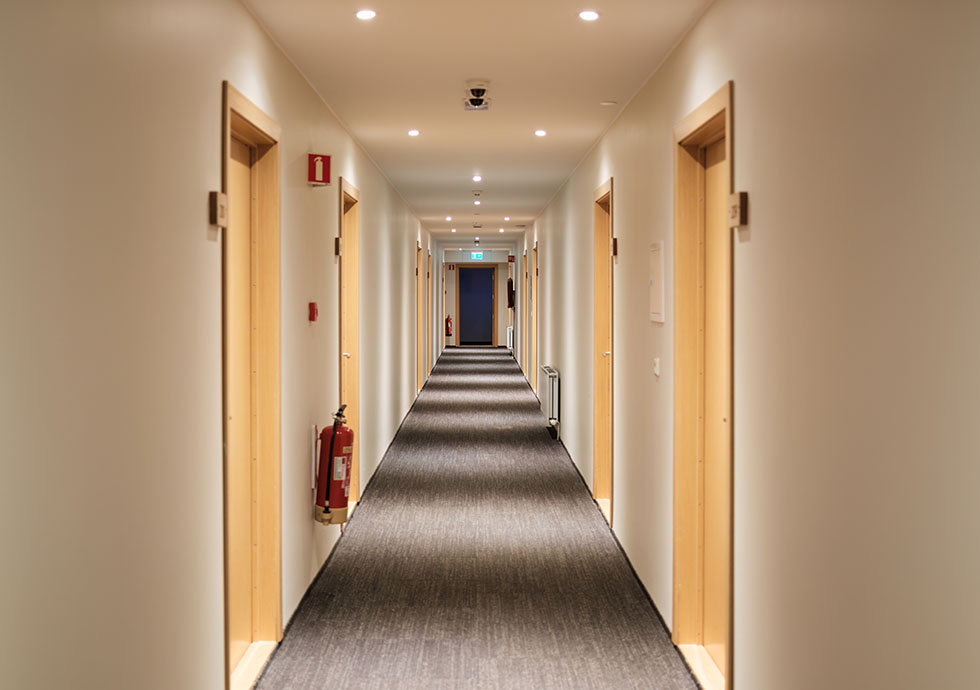

Habitation securite incendie detection
:

A regulatory framework specific to residential buildings

Fire safety in multi-unit residential buildings is governed by several regulatory provisions designed to protect occupants, limit the spread of fire, and facilitate emergency response efforts.

  • TEST12

    Fire safety in residential buildings

    Decree of 31 January 1986
    This document sets forth the safety regulations applicable to residential buildings, particularly with regard to smoke exhaust systems, fire isolation, and safety in common areas.

    Decree of 31 January 1986
  • TEST12

    Safety of residential buildings

    Building and Housing Code
    The Building and Housing Code sets forth the requirements for building design and safety, particularly with regard to circulation areas, stairways, utility shafts, and parking garages.

    Building and Housing Code
  • TEST12

    Smoke detectors in homes

    Decree No. 2011-36 of 10 January 2011
    The installation of standalone smoke detectors is required in every residence to quickly alert occupants in the event of a fire.

    Decree No. 2011-36 of 10 January 2011
  • TEST12

    Commercial premises or integrated public access buildings

    Labour Code
    When a residential building contains commercial spaces or businesses that are open to the public, additional requirements may apply.

    Labour Code
  • TEST12

    Fire safety technical standards

    APSAD R7 – R13 – R17
    These standards can be used for the design and maintenance of fire protection systems in parking garages, mechanical rooms, or facilities equivalent to public access buildings.

    APSAD
  • TEST12

    High-rise buildings

    High-rise building regulations
    High-rise buildings are subject to specific safety regulations, including, in particular, enhanced detection, alarm, and isolation systems.

    IGH and ERP regulations

The main fire hazards in housing units

Residential buildings pose specific risks due to their continuous occupancy and the variety of technical systems they contain.

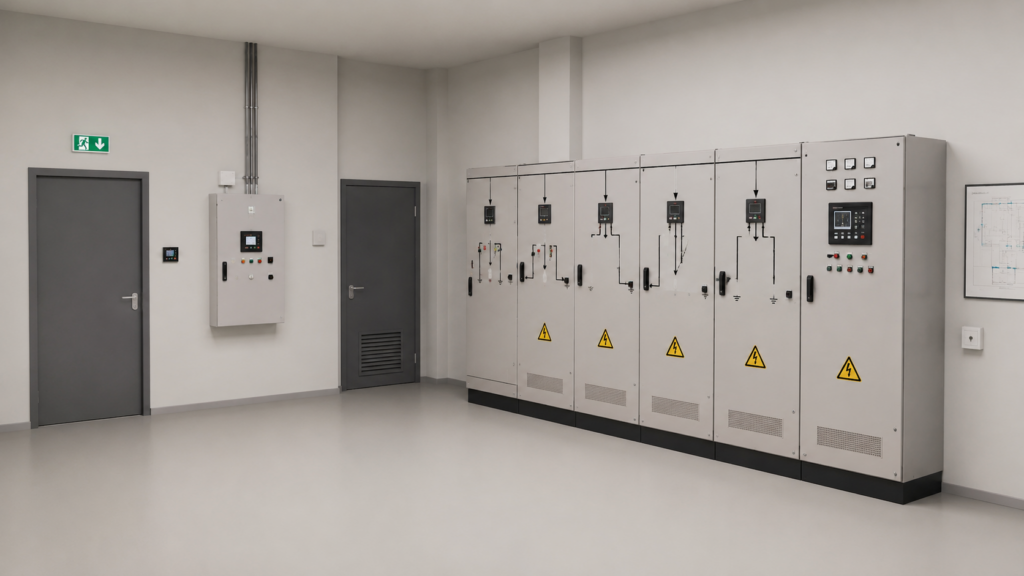
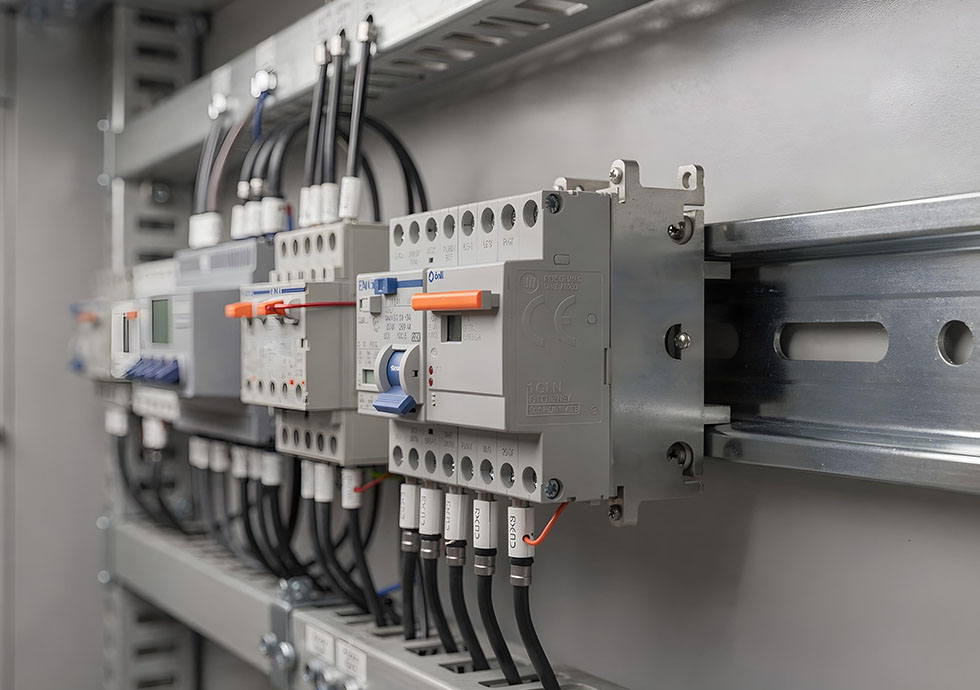
Outdated electrical systems 

The leading cause of fires in apartment buildings. (INRS, 2023)

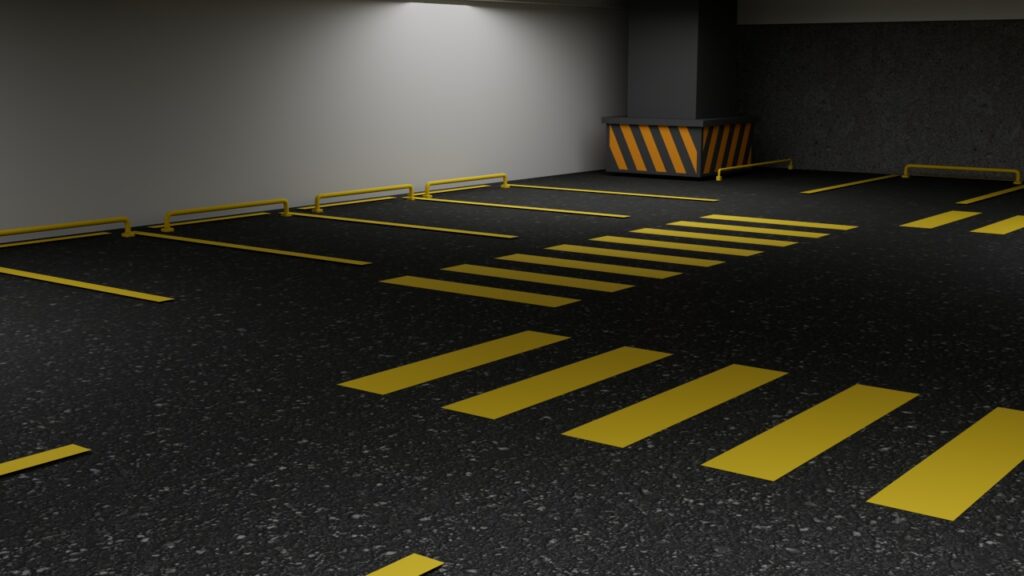
Underground parking garages

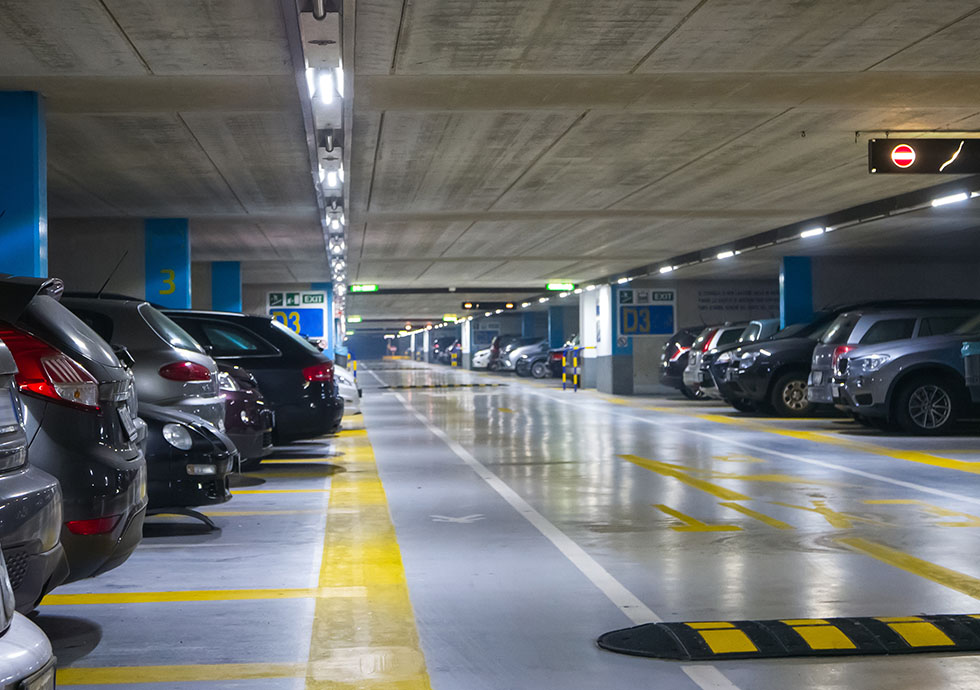
Dense smoke, spreading rapidly to residential units through utility ducts.

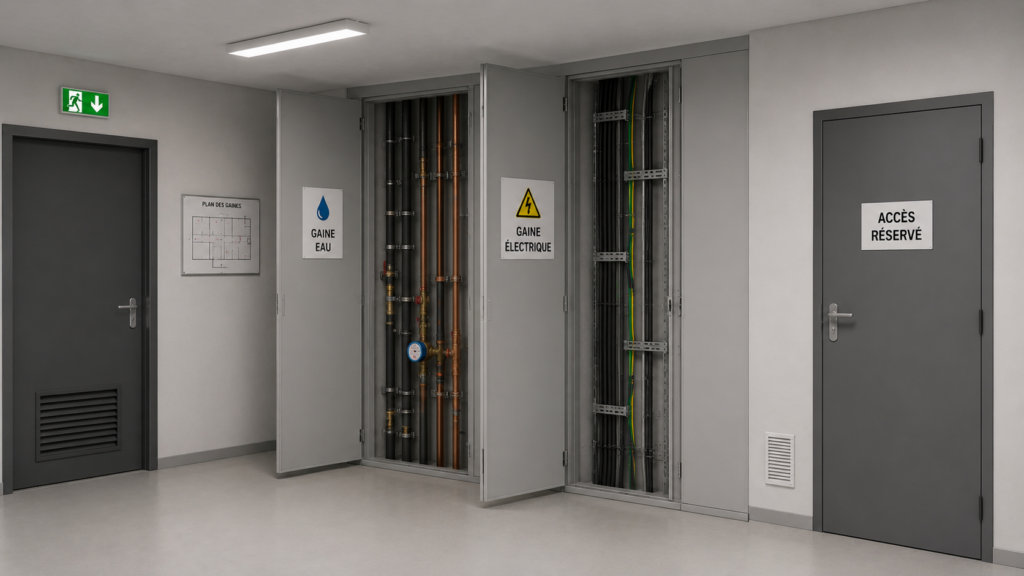
Utility rooms / riser pipes 

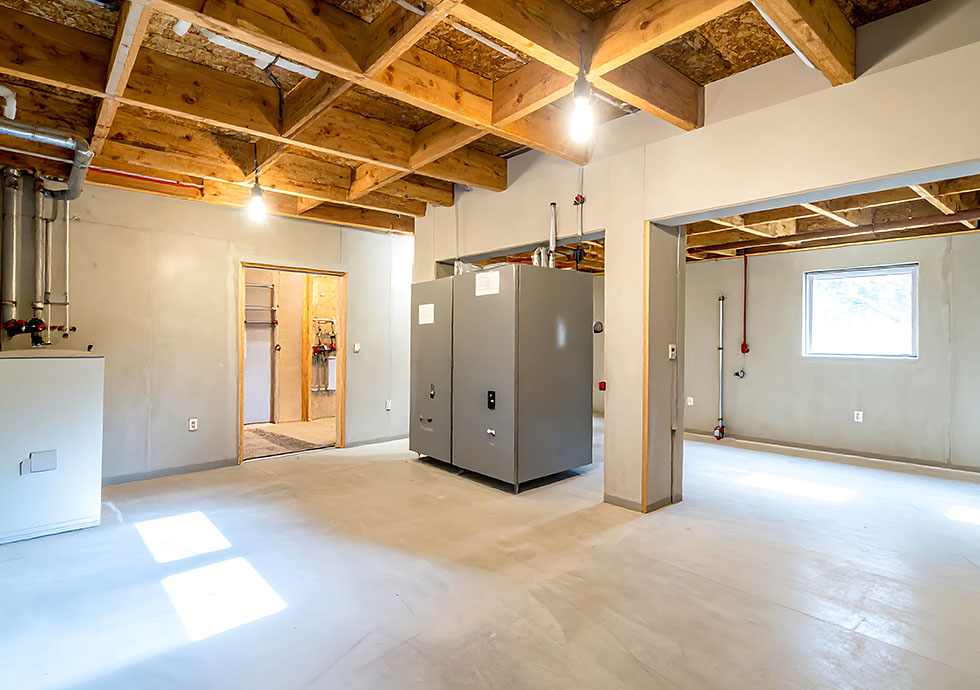
Risk of short circuit and vertical fire.

Continuous human presence 

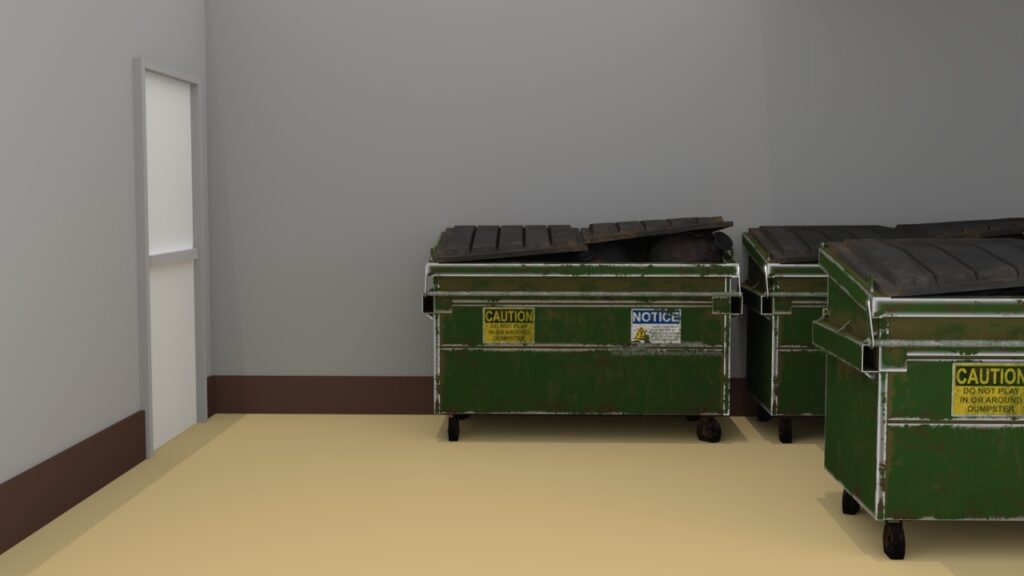
Nighttime fires, panic, and the chimney effect. Vandalism and trash fires.

SALLE COULOIR
SALLE PARKING
colonne montante
locaux electrique
SALLE POUBELLE

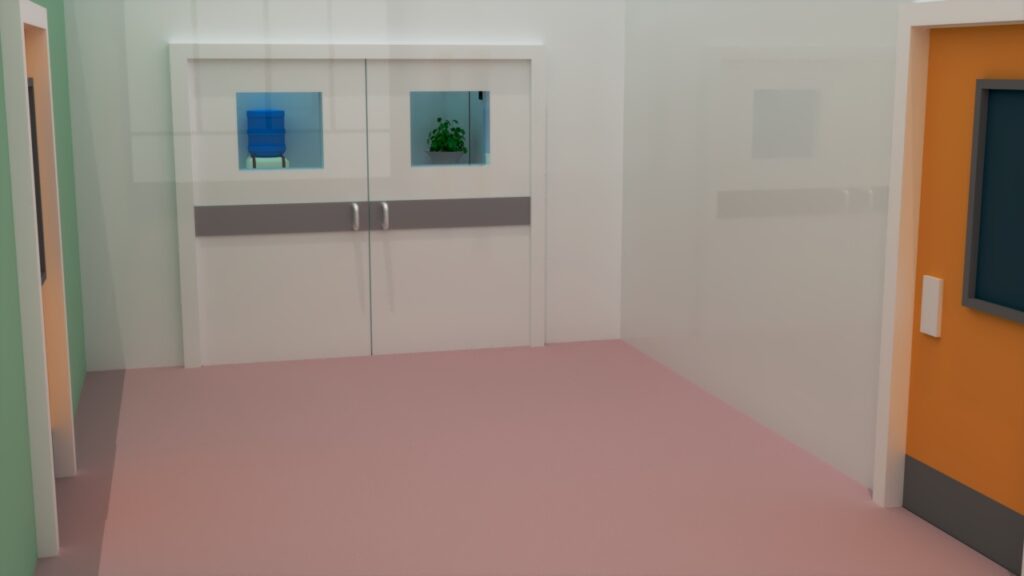
Common areas and hallways

  • Common areas and hallways
  • Underground parking garages
  • Riser pipes and utility ducts
  • Utility rooms and electrical cabinets
  • Trash and garbage chute rooms

DEF at a glance

  • 70 %
  • Nighttime fires cause smoke-related poisonings. (CNPP, 2022) 
  • 10,000 incidents per year
  • identified in apartment buildings. (DGSCGC, 2024) 
  • 2 autonomous sensor smoke alarms
  • in 3 are broken or installed incorrectly. (Ministry of the Interior, 2023) 
  • 1 fire
  • in 3 has an electrical cause in residential buildings. (INRS, 2023) 

Applied solutions

Residential buildings present specific challenges: year-round occupancy, a variety of uses, and buildings that are sometimes old. The solutions deployed by DEF are designed to protect occupants, limit the spread of fire, and ensure the safe management of real estate assets.

parking protection incendie

Centralised fire detection and fire safety system monitoring

DEF installs fire detection systems designed for common areas, hallways, parking garages, and utility rooms. These systems make it possible to quickly detect a fire, pinpoint the affected area, and trigger the appropriate safety procedures (evacuation, smoke extraction, system shutdown).

desenfumage detection incendie habitation

Smoke exhaust systems for hallways and parking garages

Smoke extraction is essential for limiting the spread of smoke in hallways and stairwells. The solutions implemented help keep evacuation routes clear and facilitate emergency response efforts.

local poubelle incendie

Targeted automatic fire suppression (parking garages, utility rooms, trash rooms)

Certain areas pose specific risks, including parking lots, utility rooms, and trash rooms. Appropriate fire suppression systems can contain a fire in its early stages before it spreads to other floors.

local technique habitation

Supervision and management of the housing stock

Platforms like Fire360 make it possible to centralise information from fire safety systems and monitor the status of systems across multiple buildings or residential complexes.

In addition, Mon SSI Facile is a digital service that helps landlords and property management companies manage their fire safety systems more easily and quickly access essential information about their installations.

Discover our solution

Request customised support

Contact the DEF experts to have your installations assessed and identify the solutions best suited to your infrastructure.
Talk to an expert

DEF Assistant

DEF Assistant

Let’s talk about your project

The assistant is typing…

Answers generated by artificial intelligence from the DEF website’s content: please check important information with our teams. Do not share personal information.