13/04/2026
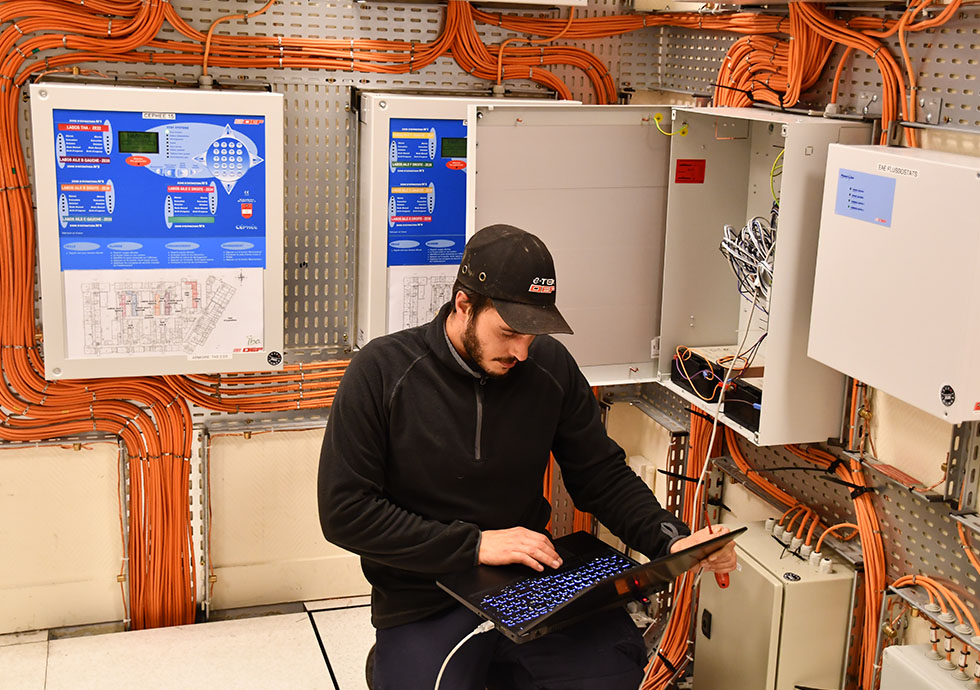
Do fire safety system cables need to be upgraded?
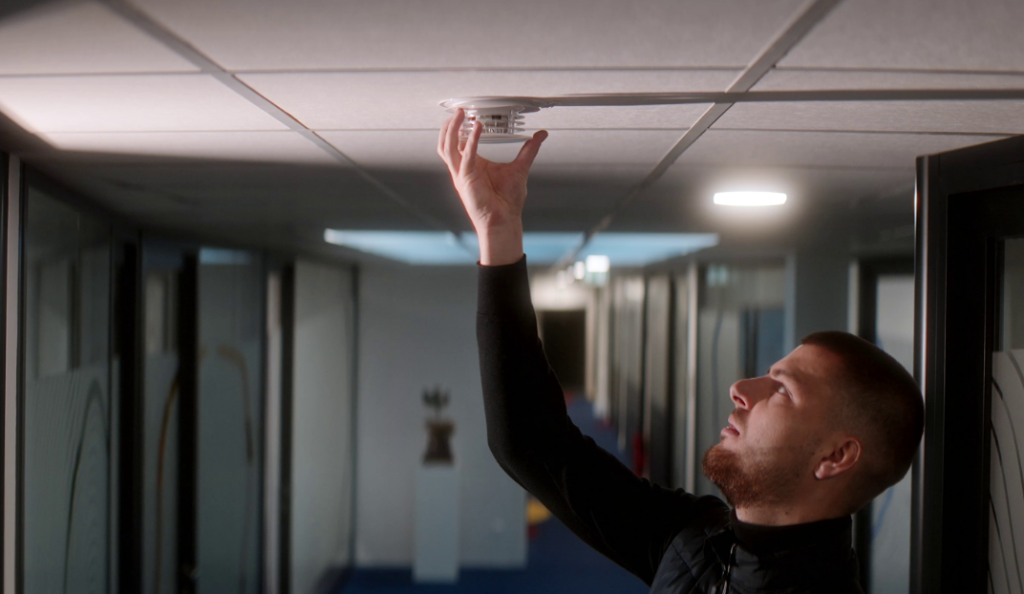
A properly configured and maintained system can reduce the time it takes to detect a fire by up to 60 seconds compared to a human alert alone (source: CNPP, 2023).
1. Detect
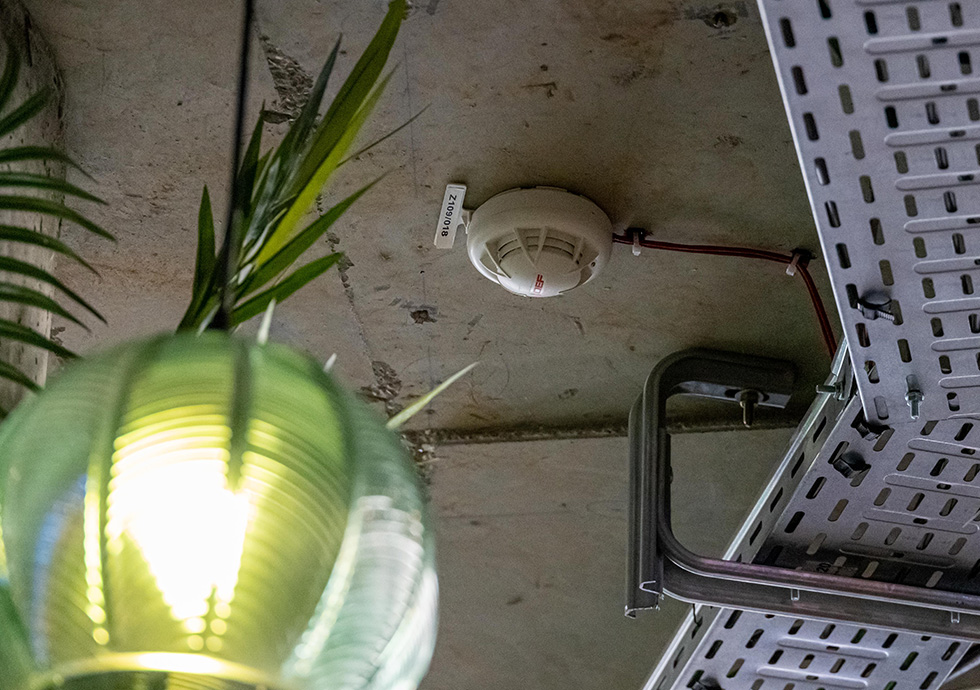
The detector, which continuously monitors its surroundings, identifies a fire-related event (smoke, heat, or flame) and transmits this information to the control and signalling equipment based on specific thresholds or an alarm condition.
2. Signal
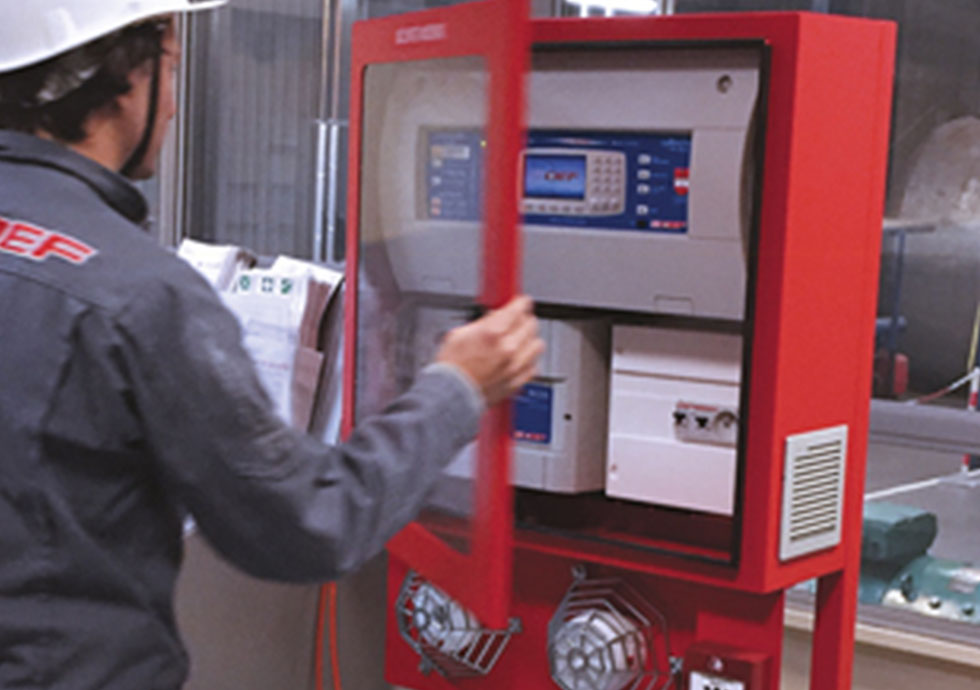
The Control and Signalling System alerts the operator with an audible and visual signal (a convenience notification can also be sent to a smartphone). This allows the verification process to begin.
3. Act
The Fire Safety Management System activates its alarm, isolation, and smoke exhaust functions based on the active detection areas. The control and signalling equipment can also send the information to an automatic fire suppression control panel.
4. Use the information
Monitoring pinpoints the location of the incident and enables a more effective response while providing area-specific instructions.
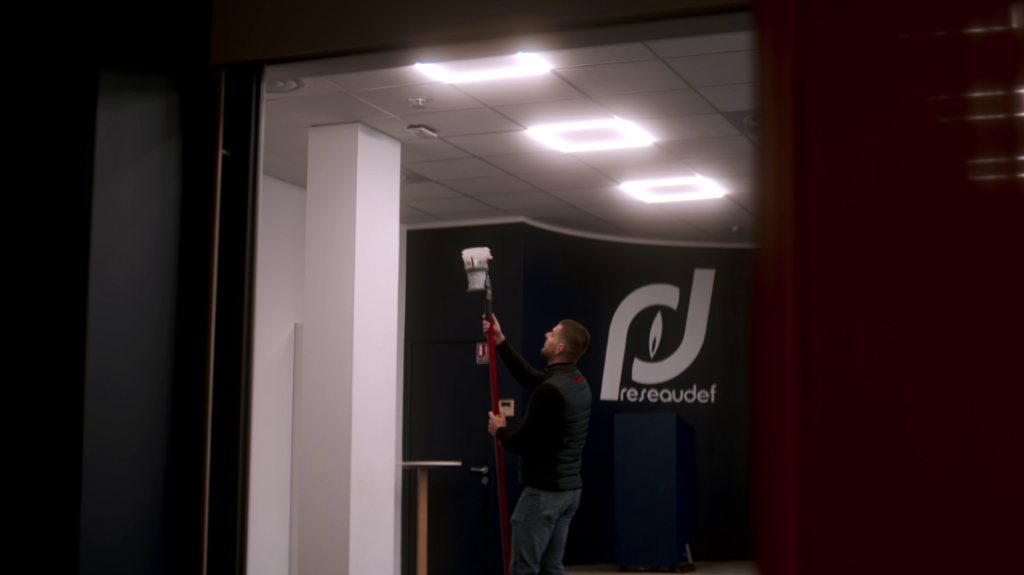
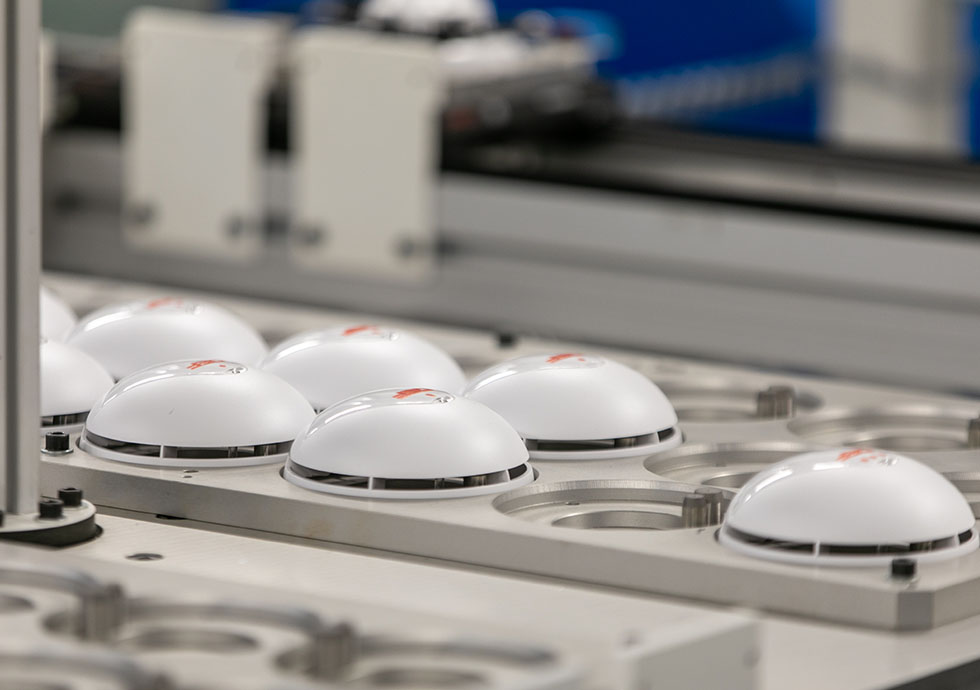
Because no two sites present the same risks, DEF designs and installs detectors tailored to the operating conditions and the building’s layout.
| Operating principle | Areas of application | |
|---|---|---|
| Point-type optical smoke detector |
Detects particles emitted by combustion; ideal for detecting slow-developing fires.
|
Offices, hotels, public buildings, and multi-family housing.
|
| Point-type multi-sensor detector |
Detects smoke, heat, and CO; reduces false alarms.
|
Mixed-use buildings, commercial buildings, and schools.
|
| Linear optical smoke detector |
Responds to the attenuation of a beam of radiated waves caused by smoke.
|
Logistics hubs, museums.
|
| Image-analysis-based smoke/flame detection camera |
The image sensor detects the presence of smoke and/or flames.
|
Logistics hubs, aircraft hangars.
|
| Point-type heat detector |
Responds to a rise in temperature or to a fixed heat threshold.
|
Kitchens, parking lots, utility rooms.
|
| Linear heat detector |
Measures temperature (threshold and temperature rise) via a sensor cable (copper or optical fibre).
|
Tunnels, semi-open parking garages, utility tunnels.
|
| Heat detection using a thermal camera |
The infrared sensor detects the infrared radiation emitted during combustion.
|
Industrial sites, waste treatment facilities.
|
| Point-type flame detector |
Analyses the UV/IR radiation emitted by flames.
|
Industrial sites, ATEX zones, storage.
|
| Aspirating smoke detector |
Continuously analyses the air sampled from the room: ultra-early detection.
|
Data centres, logistics hubs, museums, cleanrooms.
|
Detection
These figures confirm that the sooner a problem is detected, the greater the safety.
Our services
We offer services tailored to your needs, to support you effectively and guarantee quality results.
Analysis of your installations and requirements to identify areas for improvement. We support you in defining your needs and implementing appropriate solutions.

Design and roll-out of bespoke technical solutions. We handle commissioning and verify that your equipment operates correctly.

Predictive, preventive and corrective maintenance to guarantee the performance and reliability of your installations. Rapid response throughout France to ensure an optimal level of safety and extend equipment life.

Modernisation and upgrades of your equipment for optimal financial management of your system. Training for your teams to use the installations efficiently.

Video